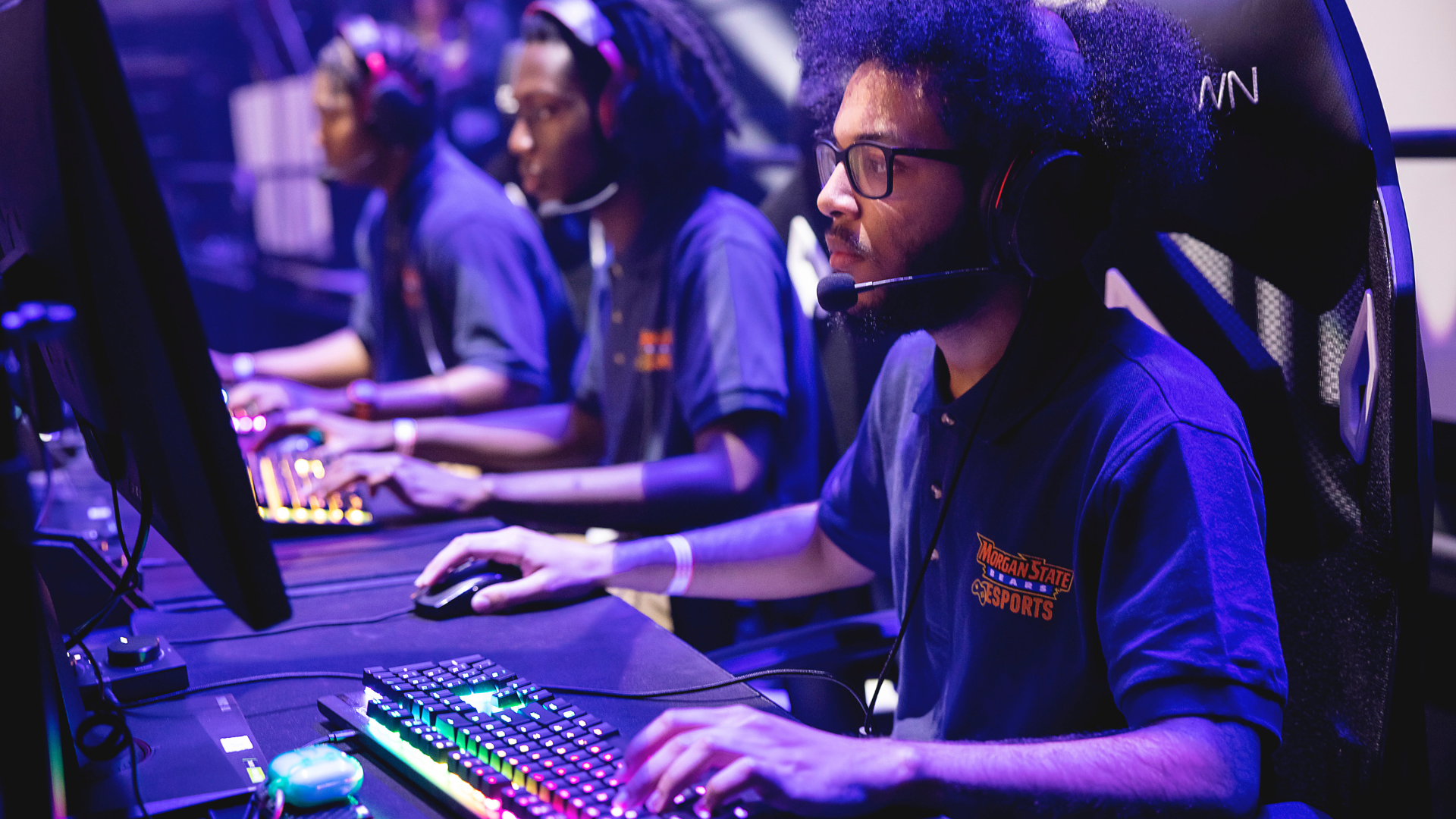
The in-game advertising market is on track to hit $20.7 billion by 2030, growing at a 13.5% clip while global gaming penetration already sits north of 65 percent.
The audience has a face. It looks like Kai Cenat.
In September 2025, Kai Cenat became the first streamer in Twitch history to cross one million active subscribers, peaking at over 1.1 million during Mafiathon 3. The run pulled 82.5 million hours watched and broke a million concurrent viewers. He has more than 20 million followers, the most of any Twitch streamer alive. He is 23 years old, from Brooklyn, the son of Caribbean parents.
When McDonald's wanted Gen Z, they called him. Crocs made him a shoe. Fortnite gave him a skin. Snoop, eBay and Valorant gifted subs by the tens of thousands to get their logos in the moment. Every brand racing into that $20.7 billion is, whether they say it or not, trying to reach the audience standing behind Kai Cenat.
And here is the disconnect. The industry will pay a premium to rent that audience for a weekend activation, then treat the culture that produced it as a risk to be managed rather than a market to be built.
The receipts are already in.
Damion Taylor laid it out plainly in Forbes this spring, in a piece on the business of Black nerd culture. The numbers are not soft.
Black American spending is projected to reach $2.1 trillion in 2026. Black media consumers spend more than 81 hours a week with media, 31.8 percent more than the general population. Black Americans make up 17 percent of US anime fans, against roughly 13 percent of the population, and the gap widens with age: 23 percent of Gen Z anime viewers are Black, versus 14 percent of Gen Z overall. Deloitte found that Black, Latino and LGBTQ+ audiences together drive more than a third of the US media and entertainment market, and that 71 percent of their entertainment spend is tied to feeling included.
Taylor's sharpest point is about the pattern, not the data. Black audiences keep rescuing the businesses that overlook them, then get forgotten the second the crisis passes. Blade pulled Marvel back from the edge of bankruptcy in 1998 and proved superhero films could print money. Thirty years later the industry acted surprised all over again with Black Panther, and again with Sinners. Every time, the audience was already there. Every time, the investment showed up late and treated a proven market like a gamble.
DreamCon is the cleanest example of what happens when the people who embody the culture stop waiting. RDCWorld built their own convention in 2018 because the existing ones told them they "wouldn't fit in." It grew from 800 attendees to more than 32,000 in seven years and generated an estimated $19.2 million in economic impact on Houston in 2025. Nobody granted them that market. They built it because it already existed.
The lag is the opportunity.
Put the two stories side by side and the thesis writes itself.
Capital is flooding into gaming faster than at almost any point in the medium's history. The audience driving that growth overindexes multicultural and Gen Z at every measurable turn. And the infrastructure serving that audience, the conventions, the creators, the IP pipelines, the media platforms, is being built largely from the inside, on undercapitalized terms, by the same people the industry will happily rent for a campaign and then ignore for a strategy.
That gap between proven demand and lagging investment is not a problem to wait out. It is the entire opportunity. The brands and funds that move now are not taking a bet on whether the audience exists. The audience already told you it exists. It told you with 1.1 million subs, with 32,000 con badges, with 81 hours a week, with $2.1 trillion. The only open question is who gets paid to serve it, and whether that money reaches the people and platforms already doing the work or arrives a decade late and acts surprised again.
We have watched this movie. Blade to Black Panther to Sinners, the industry keeps relearning the same lesson at full price. Gaming is about to run the exact same play. Multicultural gaming does not need to be discovered. It needs to be funded.
The media buy is already here. The question is whether the investment follows the attention, or trails it by ten years like it always has.


.png)