Hot Skull has spent the better part of the last few years building its brand inside rooms that look a certain way: hip-hop spaces, skateboarding, street fashion, and smoke shops in the South and on the East Coast. The brand's footprint sits exactly where you would expect a grabba company that takes its audience seriously to sit.
This weekend, the brand is showing up inside a room that looks completely different.
Hot Skull is one of the partners attached to Trap Sushi x DreamBash, the Los Angeles edition of Atlanta's signature anime-meets-culture event series, running on Friday, July 3 during Anime Expo weekend. The room is sushi, cosplay, hip-hop and anime music stitched into a single set, and 115,000 AX attendees of cultural density nearby. It is not a context Hot Skull has historically been in.
The move tells you more about how brands actually grow in 2026 than the activation itself.
What Hot Skull has been
Hot Skull is Black-owned brand built on Dominican fronto leaf, which is grabba sold whole, with a lower-strength nicotine profile and a chocolate-forward aroma from natural curing. The brand carries the leaves alongside all-natural hemp rolling papers, natural cigar tips, and a pre-crushed "Grab-A Blend" line that compresses the prep ritual without losing the cultural product underneath.
The audience, until now, has been clearly drawn: hip-hop heads, gamers, streamers, the broader Caribbean-American and Black-American smoking demographic that has been the engine of grabba culture for decades. The brand has shown up in retail and content spaces that match, such as smoke shops, creator-adjacent merchandising, partnerships and placements inside hip-hop and boxing contexts.
That is a real footprint. It is also, increasingly, a footprint that does not fully capture the audience the brand is actually serving.
Why anime spaces, why now
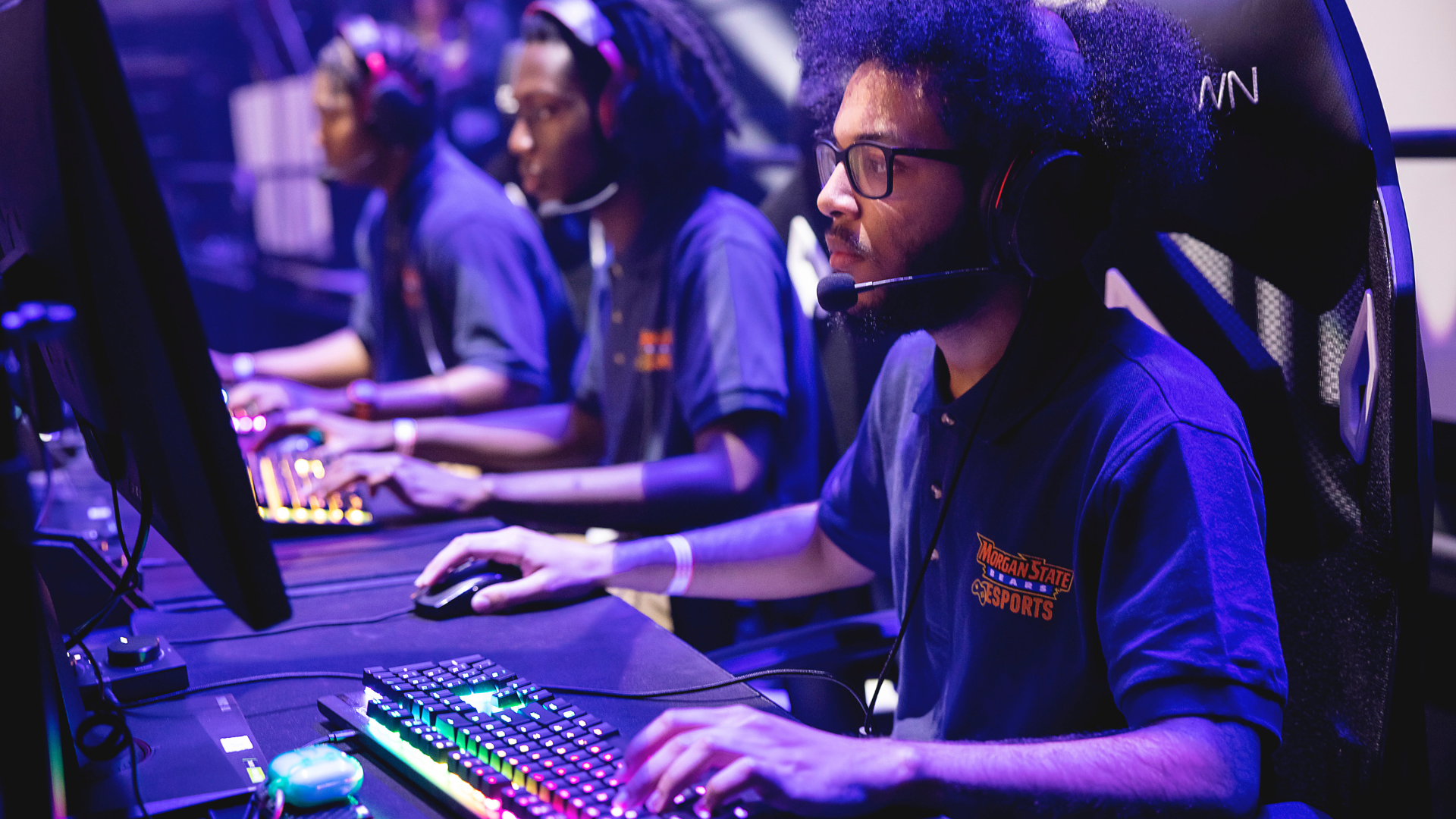
The multicultural Gen Z and millennial creator class, which is the cohort driving the most consequential cultural movement online right now, does not separate its interests the way brand strategists tend to. The same creator who is on a Twitch stream Tuesday night is in a cosplay group chat Thursday afternoon, at a hip-hop show Friday, and walking an anime convention floor Saturday. The audience moves between rooms. The brands serving that audience often do not.
“At Hot Skull, we’re building more than a premium product—we’re building a lifestyle brand rooted in culture, community, and authenticity. Gaming and anime are two of the most passionate and creative communities in the world, and we see a genuine alignment with the values that define our brand. Our goal is to show up consistently, support creators, celebrate the culture, and build real relationships that extend far beyond a single event. This is just the beginning of our commitment to becoming a meaningful part of this community.” - Dimitri Wilks, Brand Partnerships Lead, Hot Skull
Anime Expo weekend in Los Angeles is the densest cultural moment of the year for the crossover audience. The convention itself draws 115,000+ attendees. The parallel weekend, including the curated parties, pop-ups, brand-adjacent events, and after-hours rooms, multiplies the cultural impact. Trap Sushi has been one of the consistent operators inside that parallel ecosystem since 2020, with a room that pulls cosplayers, DJs, hip-hop artists, streamers, and visual artists into the same physical space.
For a brand whose existing customers are already half of that crowd, the math is straightforward. The audience is in the building. Hot Skull is bringing itself to the building.
The pattern this fits into
The activation matters less than the strategic posture behind it. Hot Skull is not buying Anime Expo. It is not painting a billboard above the LACC. It is not running a sponsored panel. It is doing something both smaller and harder: showing up inside a room curated by operators who already have cultural authority with the audience the brand wants to reach.
The brands that will win the next decade of multicultural Gen Z culture are not the brands with the largest activation budgets. They are the brands willing to follow their audience into adjacent rooms, such as the cosplay spaces, the anime weekends, the HBCU-adjacent festivals, and the streetwear drops, and trust that the operators in those rooms know how to introduce a brand to a crowd without making the introduction feel like an introduction.
The audiences brands keep describing as "niche" are not actually niche. They are highly concentrated, deeply networked, and culturally connected to audiences three or four times their size. A brand that wins inside the Trap Sushi room is not winning a small audience. It is winning a tastemaker audience that turns around and tells a much larger audience what to pay attention to next.
Most brand teams do not have this map yet. The brands that do are the brands quietly compounding cultural equity while the rest of the category is still buying out-of-home placements in Times Square.
What this signals about Hot Skull
Reading the activation in context: Hot Skull is positioning itself less as a single-category tobacco brand and more as a cultural brand for the multicultural Gen Z creator economy that grabba already lives inside. Anime Expo weekend is one room. The next rooms will likely look related but distinct, including gaming conventions, HBCU homecomings, festival circuits in the South and on the West Coast, and the streetwear and design-driven event ecosystem that increasingly overlaps with all of the above.
The brands the audience trusts are the brands that show up where the audience already is, in a posture the audience recognizes as legitimate. This weekend, Hot Skull is doing exactly that.
This article discusses adult tobacco products. Tobacco use carries health risks and is regulated for adults of legal smoking age. 18+.
.png)