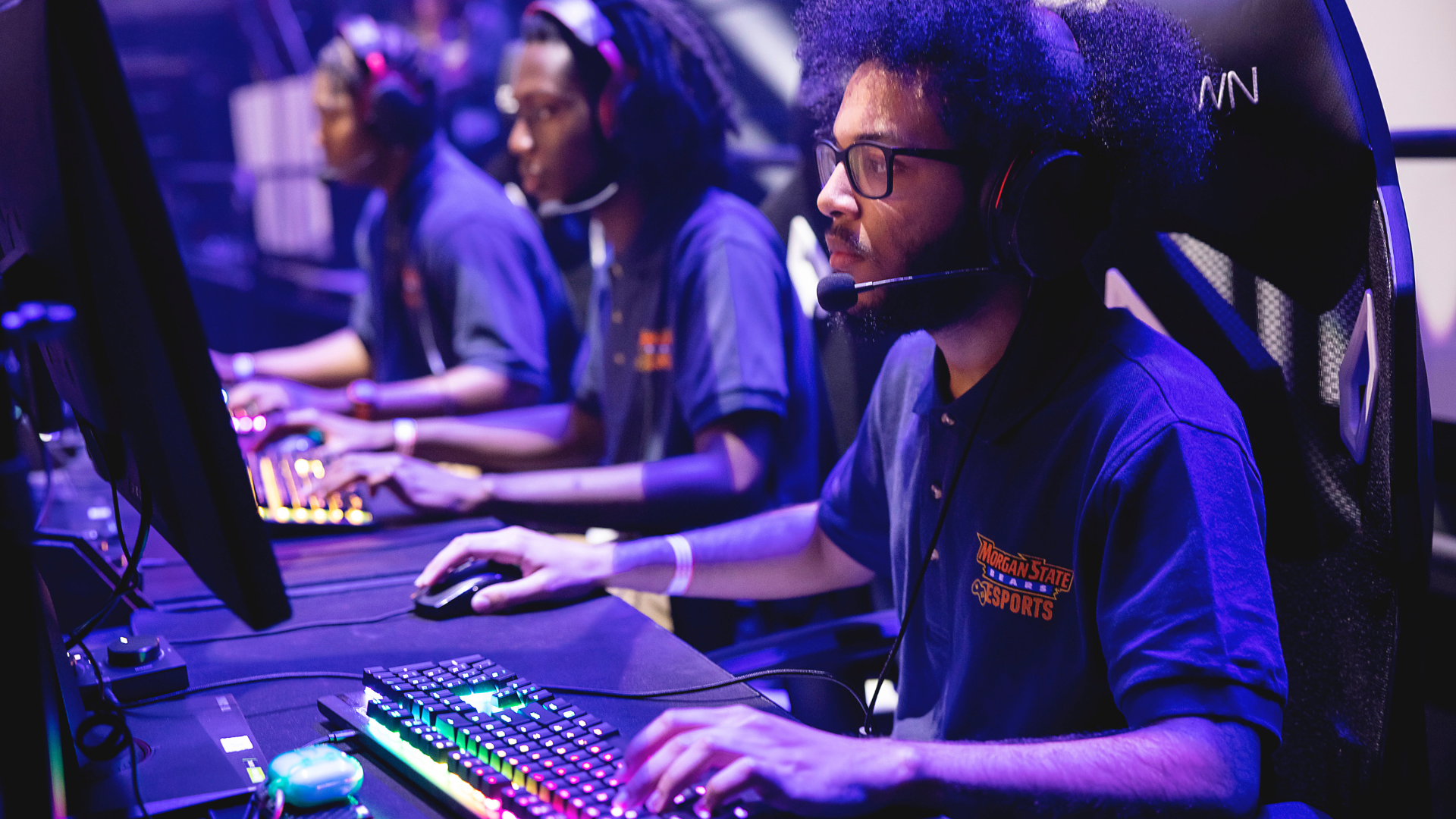
Streamer University 2026 ran July 15 through the morning of July 20, and it moved more than 120 accepted creators into a dorm-style program at Hendrix College in Conway, Arkansas. Real campus, real classrooms, real dorms, the whole look of student life. Complex has described it as a livestreamed creator bootcamp built to teach brand-building, on-camera craft, and audience growth. In year two, that description feels too small. Cenat has said he plans to run this for the rest of his life, and he's already told everyone the 2027 edition is heading to Europe.
The application numbers tell you what he's actually holding. Around 120 students got in, out of a pool that ran into the millions, and every one of them attended for free with meals and housing covered. The first class back in 2025 pulled over a million applicants for barely 100 seats. That's an acceptance rate under 0.01 percent, which is tighter than any Ivy in the country. And that first year, Cenat paid for it himself and turned down offers from Netflix and Prime Video to license the whole thing. He kept the room.
The gifts that traveled
The clips that went everywhere were the gifts. Drake taped a welcome video and left OVO care packages in every dorm, loaded with NOCTA x Nike gear, two bottles of his cologne, a pack of Pokémon cards, and more. Cenat handed every creator a new phone plus a year of service through a Chatmobile partnership. And when one student, Kanel Joseph, posted that he'd missed his flight, Cenat sent a private jet to go get him.
You can read all of that as generosity. You can also read it as a media buy, because that's closer to what it is. Some of the biggest names and richest brands in culture spent real money to be inside Kai Cenat's building, on his terms, in front of his audience. Nobody bought a banner ad. They paid to be part of the experience, and the experience belonged to him.
An institution, not an event
The faculty is where the “school” thing stops being a joke. This year's professors included Duke Dennis, Agent00, Poudii, Pokimane, Ludwig, YourRAGE, Maya Higa, Cinna, The Sushi Dragon, Faze Adapt, and Lizzo. Below them was a whole extracurricular setup: T-Pain running musical arts, Lethal Shooter over basketball, and directors for a fraternity, cheerleading, film, science and engineering, debate, and drama, with Fanum and Walton playing campus security. You don't build a course catalog, a student-life department, and an org chart to host a weekend hang. You build that to run something that lasts.
It has an alumni system now, too. Partway through the week, Cenat brought the 2025 class back onto campus alongside the 2026 students. That's the beginning of institutional memory, the thing that turns a one-week event into a network people belong to for years.
But the real story is on the sponsor sheet. The 2026 lineup reportedly included Meta, Dell, Red Bull, Shopify, State Farm, Epic Games, and Chatmobile, with brands putting up what reporting described as eight-figure resources. That isn't creator-marketing experiment money. That's mainstream branded-event money, the kind of budget that usually goes to a music festival or a stadium tour, and it went into a program a streamer owns outright.
Why this matters for Black creators, and everyone downstream
For a long time the deal was simple and lopsided. Creators brought the audience. Platforms and agencies controlled the distribution and the gate. Brands rented attention by the placement and moved on. Streamer University flips every part of that. Cenat is the gatekeeper, the talent scout, and the teacher all at once. He decides who gets in, who teaches, and what “making it” even looks like. The brands don't set the terms. They apply, same as the students.
That flip hits hardest for Black creators, who have always been the engine of the culture and almost always the last to own the machinery that turns culture into money. Cenat didn't go negotiate a better seat at somebody else's table. He built the table, and the room, and the building it sits in, then invited Drake and Meta and Epic to come through. Ownership first. Partnership second.
He's doing the same thing with distribution. His return this summer ended the Twitch exclusivity, and the program ran on Twitch and YouTube at the same time. The most-followed streamer on the platform decided he wasn't going to be locked to any single one of them. Own the audience, own the room, own the pipes.
The bigger frame
And none of this is landing in a vacuum. The creator economy is worth north of $300 billion this year. YouTube's ecosystem by itself added more than $60 billion to U.S. GDP in 2025, according to an Oxford Economics study. Even universities are scrambling to keep up, with Syracuse launching a creator-economy minor this fall. Cenat didn't wait around for institutions to say the work was real. He built one and let them catch up to him.
That's the part worth studying. The lesson for the next wave of creators, and for all the multicultural talent that keeps getting mined for reach and shorted on equity, isn't “go land a Kai Cenat deal.” It's build the room. Own the access. Make the brands come to you. Streamer University 2026 wasn't an event. It was a working proof that creators can own the infrastructure, and the tuition is getting paid by Meta, Drake, and Epic Games.
.png)