It’s not a job board. It’s a relationship engine.
Most creators still misunderstand LinkedIn. They treat it like a place you show up after you need something: a job, a deal, a pivot.
That thinking is backwards.
LinkedIn is one of the few platforms where creators can consistently reach people who actually make decisions. Not social media managers. Not interns. Senior leaders. CMOs. Heads of partnerships. Founders with budgets.
If your goal is brand access, leverage, and long-term relationships, LinkedIn isn’t optional. It’s strategic.
Here are five ways creators should be using LinkedIn right now, plus a bonus most people get wrong.
1. Stop posting like you’re job hunting
Creators fail on LinkedIn because their content sounds cautious. Safe. Polite. Like they’re waiting to be chosen.
That energy kills reach and credibility.
LinkedIn rewards creators who think out loud with confidence. Not hype, but conviction. If your post reads like a résumé bullet or a motivational quote, it blends into the noise.
What actually works:
- Strong opinions backed by experience
- Lessons learned from real work
- Commentary that shows how you think, not just what you do
If you sound like you’re asking for permission, the platform will treat you that way.
2. You’re talking to Decision-Makers, not fans
This is the most important shift creators need to make.
More than just mass attention, LinkedIn is about qualified visibility. A post seen by 10 brand leaders is more valuable than one seen by 10,000 random users elsewhere.
Creators who win here:
- Write directly to brand leaders, founders, and executives
- Use business-literate language, not creator slang
- Frame creativity in terms of outcomes, risk, and value
If you want brands to take you seriously, talk like someone they would sit next to in a meeting.
3. Build in public, but make it strategic
Too many creators confuse transparency with usefulness.
Posting your process without context doesn’t build authority, so instead explain how decisions take place.
Strong LinkedIn content looks like:
- What you learned pricing your work
- What brands misunderstand about creators
- How your approach evolved after a mistake
This positions you as someone already operating at scale, not someone experimenting out loud. Brands don’t want to train creators. They want collaborators who understand the landscape.
4. Comments are the real algorithm
Posting gets attention. Commenting builds relationships.
Thoughtful comments on posts from CMOs, agency leads or platform executives put you on the radar faster than basic cold outreach.
Most creators comment like fans. The smart ones comment like peers. Add insight. Extend the idea. Disagree respectfully. That’s how conversations start, and DMs happen naturally.
5. Your profile is a brand landing page
If someone clicks your profile and can’t immediately answer:
- Who is this for?
- What do they help with?
- Why should I trust them?
You’ve wasted the moment.
Your LinkedIn profile should read like a partnership page, not a résumé. Clear positioning. Clear value. Clear signal that you already work at the level brands care about.
Creators who ignore this lose momentum fast.
Bonus: The Right Kind of Video for LinkedIn Creators
This is not TikTok. And that’s the point.
Most creators already make videos. The mistake is reposting the same content everywhere and hoping LinkedIn adapts.
It won’t.
LinkedIn video performs best when it’s thoughtful, restrained, and credible. Insight over spectacle.
Here’s what actually works.
One-Idea Insight Videos
One idea. One takeaway. One minute.
These videos feel like a quick conversation with a smart peer, not a performance. Calm delivery beats high energy every time.
“Here’s What I’m Seeing” Commentary
This is where creators should lean in more.
Examples:
- What brands are getting wrong about creators
- Why partnerships stall after the first deal
- What recent platform changes actually mean
This positions you as someone watching the market, not chasing it.
Lessons From Real Work
You don’t need to name clients or share numbers. Share patterns.
Videos like:
- A mistake you made and what it taught you
- What you now ask brands before saying yes
- Why did you change how you pitch or price
These quietly signal experience. Brands notice.
Keep production simple
Overproduced videos often feel like ads, and LinkedIn users scroll past ads.
Simple works:
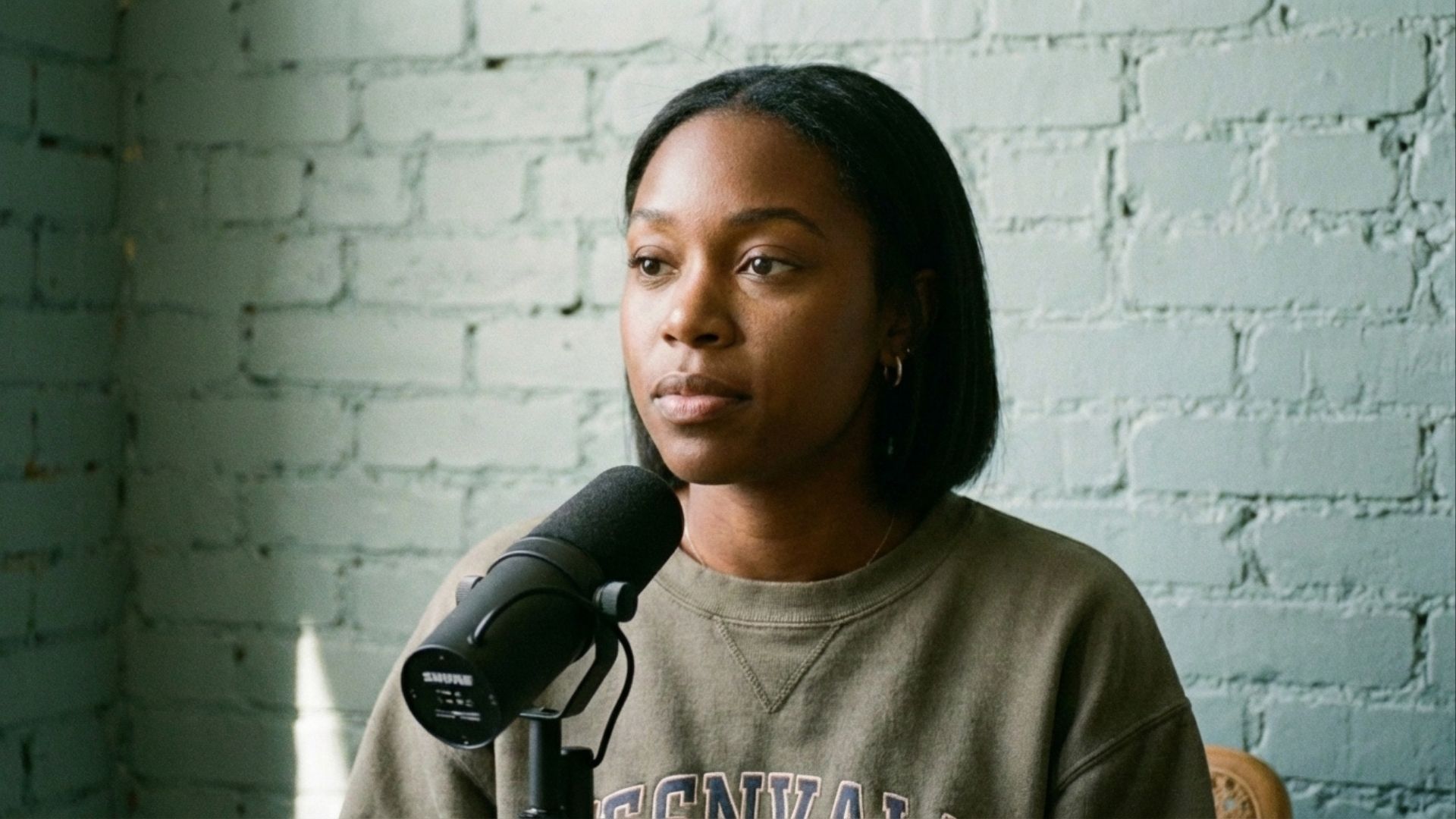
- Talking head
- Clean background
- Clear audio
- Direct delivery
If it feels like a presentation, it’s too much.
Always assume a brand is watching
Before posting, ask:
- Does this position me as a partner or a performer?
- Would a brand leader feel comfortable reaching out after this?
- Does this show how I think, not just what I create?
If the answer is no, post it somewhere else.
The Bottom Line
LinkedIn is critical for getting connected, not only getting hired
For creators seeking brand deals, partnerships, advisory roles, and long-term influence, this platform is one of the few where visibility translates into opportunity.
If you’re serious about building relationships instead of chasing algorithms, LinkedIn is no longer optional.

.png)