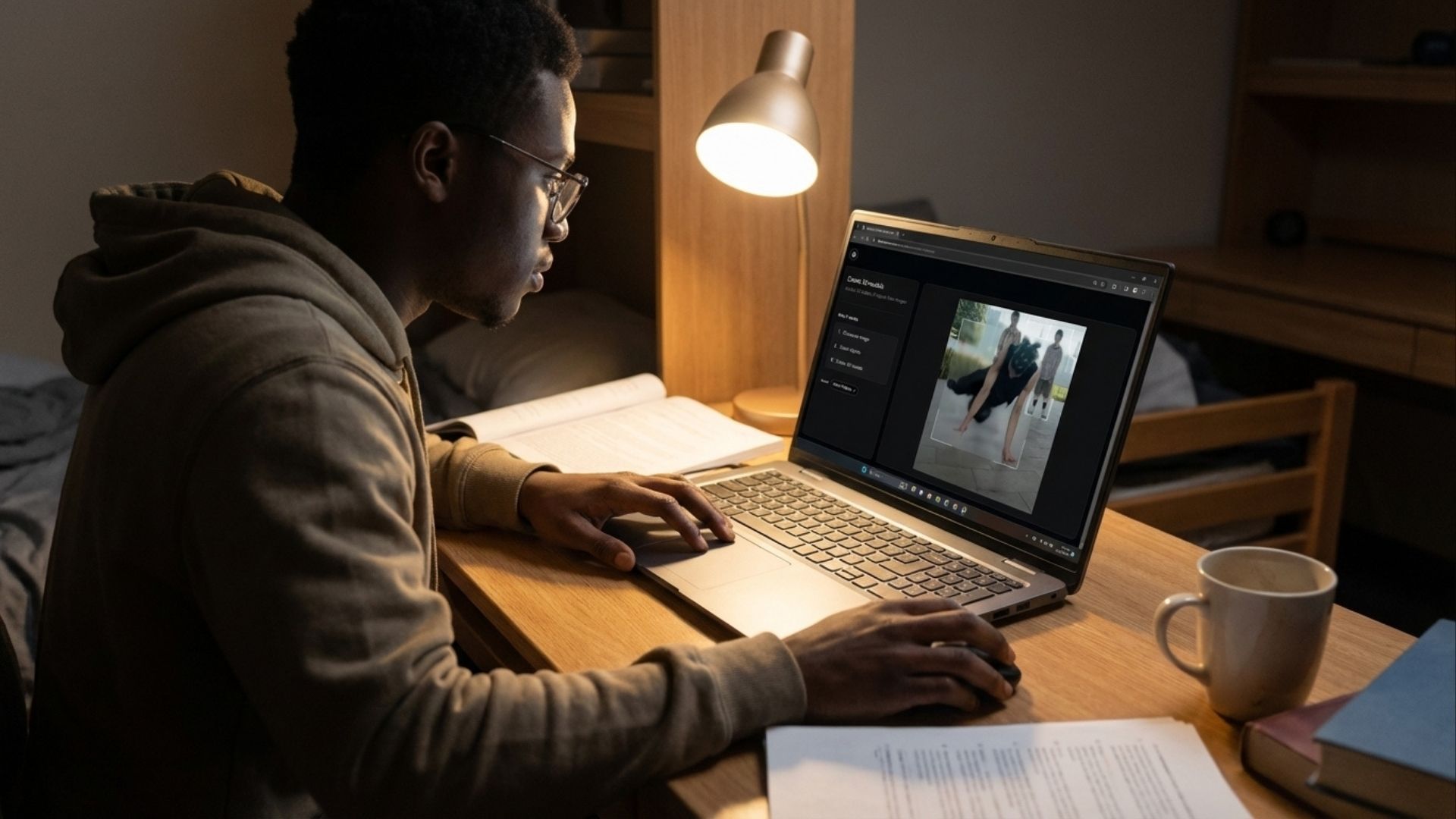
Every time AI touches a new format, the fear cycle starts first and the innovation cycle follows. Art had its moment. Audio had its moment. Video is still going through it. Now Meta is stepping onto a much bigger stage with SAM 3D, a model that turns any 2D image into a clean, usable 3D asset in seconds. If this holds up outside the lab environment, the entire pipeline behind gaming, cosplay, digital collectibles, and fan-made animation is about to shift.
Most coverage stops at the technical summary. The real story is what this means for culture.
What SAM 3D Actually Does
In simple terms, SAM 3D takes a picture and reconstructs the object as a fully textured 3D mesh. The output quality is clean enough that many test users report being able to drop the mesh into engines or 3D programs directly with minimal cleanup.
Crucially, you do not need to set up a heavy development environment to try it. Meta made SAM 3D accessible through the Segment Anything Playground, where you can upload an image in your browser, click or select the part you want, and generate a 3D model from that image.
That accessibility transforms this from “tech demo for researchers” into a “sandbox for creators.”
Why This Matters for Creators and Fandom Culture
1. Solo game devs can now prototype entire worlds faster
Most indie developers are held back by asset creation. Ideas are cheap. Models are not. SAM 3D gives small teams and solo devs the ability to build characters, props, environments, and creatures from concept art or mood boards. This can boost experimentation but it can also overwhelm platforms with a flood of low-effort games. The tradeoff is worth watching.
2. Cosplayers and prop makers gain a new production tool
Converting a flat image of a weapon, helmet, or accessory into a 3D render that can be refined, adjusted, and 3D printed removes weeks of manual design. Cosplay creators who already mix crafting with CAD will adopt this quickly. Expect more accurate props and new remix builds.
3. Fan animators and creators unlock new possibilities
Instead of relying on stock models or ripping assets from games, fans can generate their own interpretations of characters and environments. This will lead to new forms of fan animation on TikTok, YouTube, and VRChat. It also gives creators the ability to turn their own drawn characters and designs into fully poseable 3D models, something that used to require advanced 3D skills.
4. Merch, collectibles, and the bootleg economy evolve
Brands could use SAM 3D to speed up product development. Fans could use it to recreate or remix licensed items. The tension between official merch and fan-made items is going to potentially intensify. Policies for AI-generated 3D assets are not ready for what is coming.
The Ownership Problem
Even if SAM 3D works flawlessly, the real issue is rights.
If a fan uploads an image from an anime series, who owns the result? If someone recreates a sneaker design and 3D prints it, where is the legal line? If a creator sells AI-generated assets based on someone else’s art style, who gets credit?
Meta did not solve this. No one has. Expect new disputes as 3D generation becomes more mainstream and creators use these tools at scale.
How This Impacts Anime, Gaming, and Digital Culture
Creators can turn their own characters into playable 3D versions. For years, many creators kept their characters in sketches, short comics, or fan-inspired universes. SAM 3D pushes these characters toward game-ready 3D avatars. That shift is huge for artists who already build communities around their creative worlds.
Fandom worlds will expand
Expect fan-built versions of anime settings, remixed creature designs, and user-generated maps to appear across Roblox, Fortnite UEFN, and VRChat. The speed of worldbuilding is about to accelerate.
Try It Yourself — What You Can Actually Do
You can experiment with SAM 3D right now for free via the Segment Anything Playground. On the gallery page, you’ll find real demos that show exactly what’s possible. For example:
- Segment and isolate a detailed object from a busy photo — say, a sword, a helmet, or a pair of sneakers — and instantly convert it into a clean 3D mesh.
- Reconstruct full 3D objects or even people — complete with geometry and texture — using just a single image.
- Extract usable props or environmental elements from everyday photos, then rotate, inspect, or export them as 3D assets for game engines or 3D editing tools.
All you need to do is upload a picture, click or draw around the item you want, and let the tool generate a 3D model — no coding, no technical setup, no heavy software installation. Try a cosplay prop, a fan-art element, or even a real-world object. It takes minutes. If you’ve ever sketched a design or drawn your own character, you can see it come to life in 3D right away.


.png)